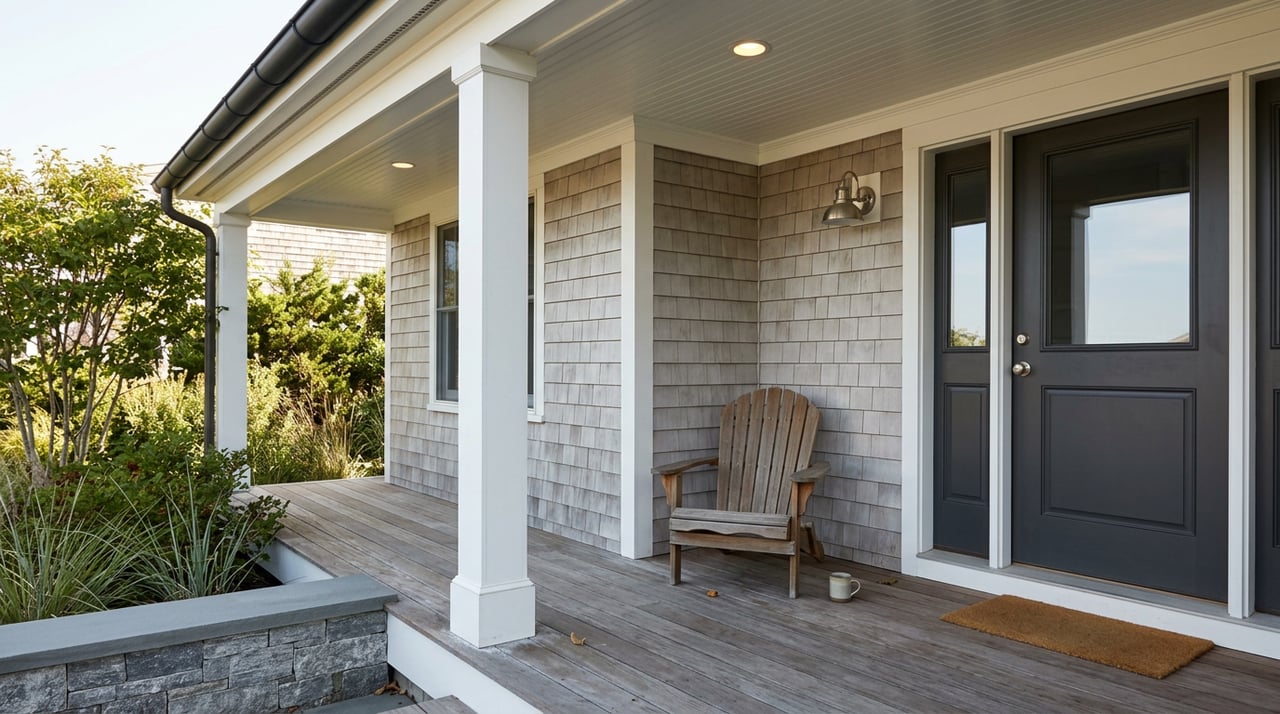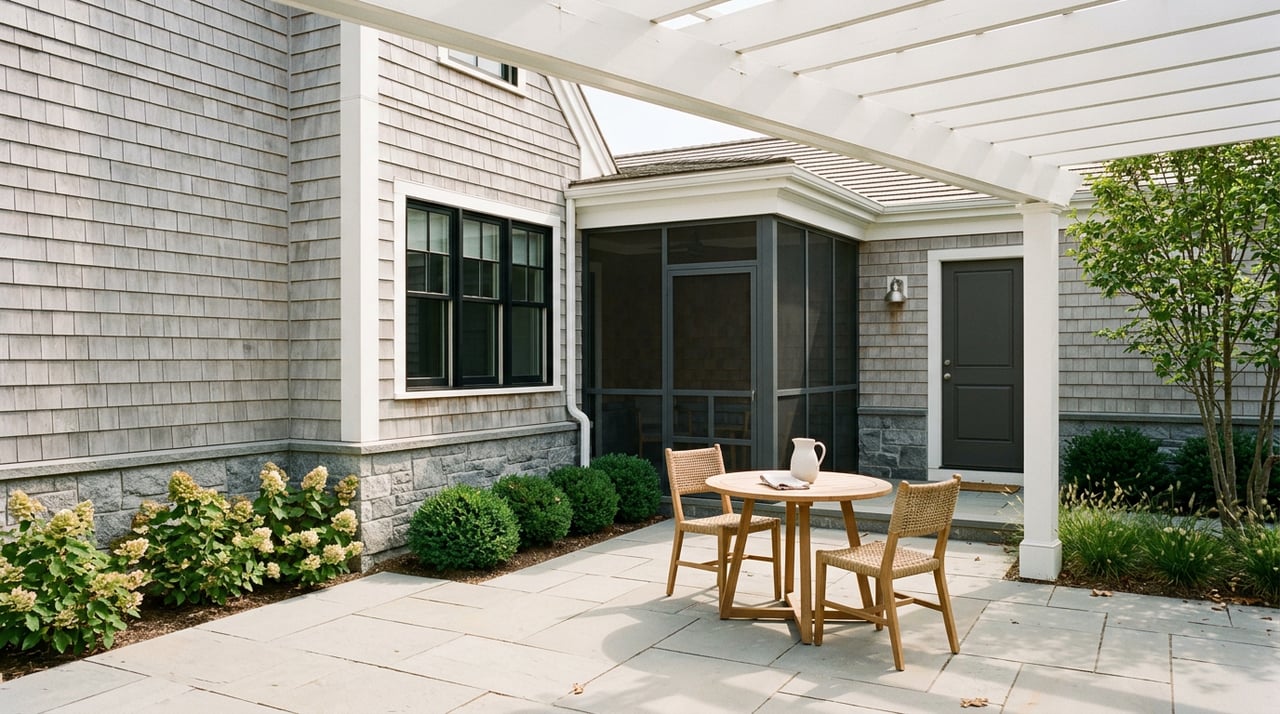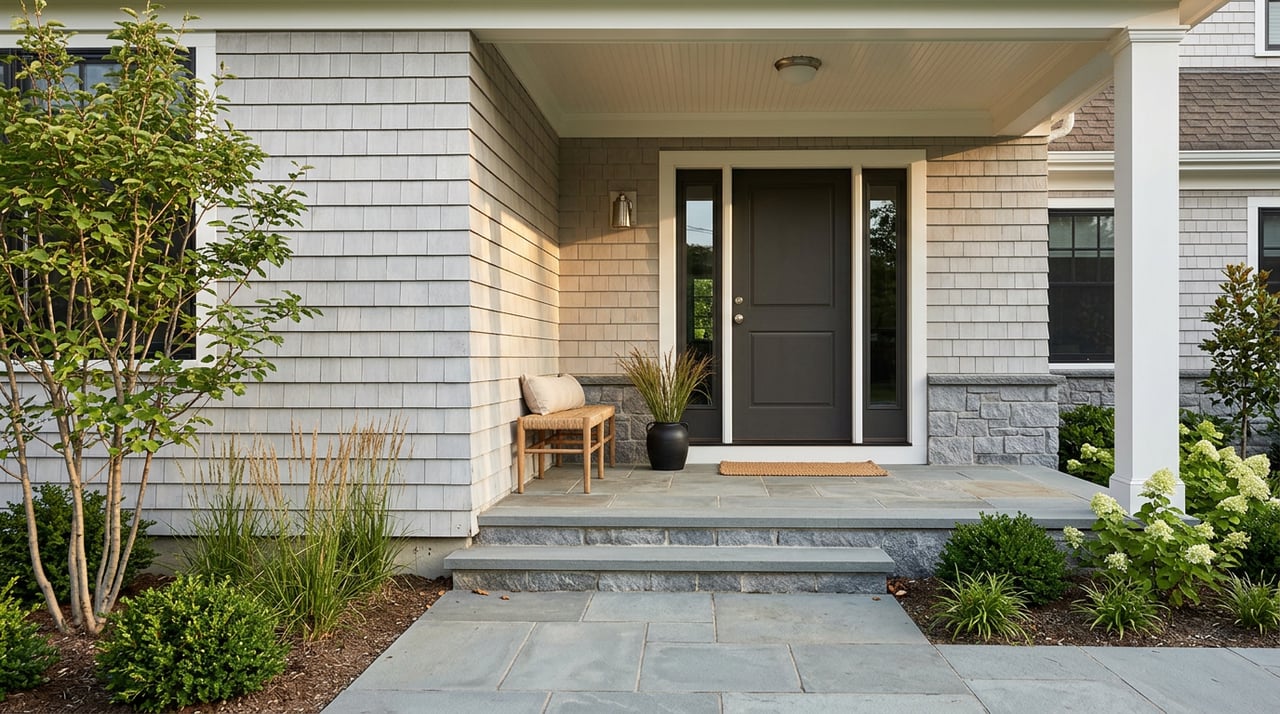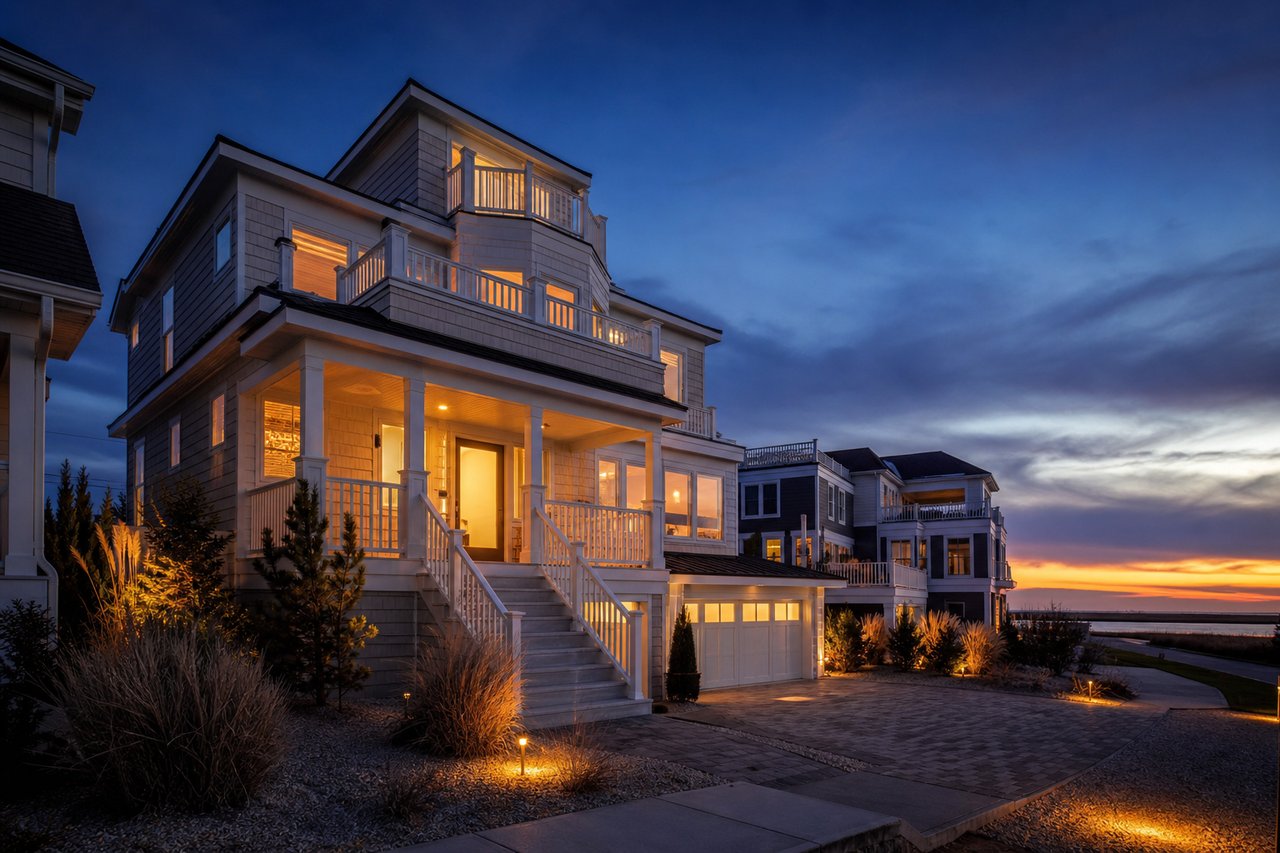
What does it take to build a new home at the Jersey Shore?
Building a new home at the Jersey Shore involves more than hiring a builder and picking finishes. In coastal Southern New Jersey, you'll work through a layered approval process that includes local zoning, NJDEP coastal permitting, FEMA flood-zone compliance, and New Jersey Uniform Construction Code inspections, often in sequence, sometimes in parallel. The timeline is longer than an inland build, but a well-planned shore home built to current standards is one of the most resilient and rewarding investments you can make on the coast.
Why New Construction at the Shore Is Different
I work with buyers and sellers across Ocean City, Avalon, Stone Harbor, Margate, and Ventnor, and the question I hear more and more is: "Can I just buy a lot and build exactly what I want?" The answer is yes, but the path to get there is specific to coastal New Jersey in ways that catch a lot of people off guard.
The Jersey Shore is not one uniform market. A vacant lot in Cape May Court House, a teardown in Ocean City, and a beachblock parcel in Stone Harbor each carry different zoning rules, lot-size constraints, elevation requirements, and approval paths. Treating all shore towns as interchangeable is the fastest way to buy a lot you can't build on the way you planned.
The NJDEP Coastal Permit: Your First Gatekeeper
For most shore-area builds, the New Jersey Department of Environmental Protection's coastal permitting program is the first major hurdle. The NJDEP administers coastal development rules that govern construction near the shore, covering CAFRA (Coastal Area Facility Review Act) zones, coastal wetlands, flood hazard areas, and beach and dune systems.
Whether your project requires a full coastal permit, a general permit, or a letter of interpretation depends on the specific parcel. Two adjacent lots on the same street can fall under different regulatory categories. This is exactly why I tell every client who's serious about a vacant lot to get NJDEP applicability confirmed before making an offer, not after.
FEMA Flood Maps: Parcel by Parcel
Flood-zone status shapes almost every major design and cost decision on a shore build, foundation type, finished-floor elevation, utility placement, and long-term flood insurance costs. The FEMA Flood Map Service Center is the official starting point for any parcel-level flood research.
Here's what most people don't realize: flood-zone designations are parcel-specific, not town-wide. Two lots next door to each other can fall into different Special Flood Hazard Area categories. If your lot is in a mapped flood zone, your builder will need to design to meet or exceed the Base Flood Elevation for that parcel, and those decisions cascade through the entire build.
NJ Uniform Construction Code and Local Permits
Once coastal and flood-zone approvals are in order, your project moves through the New Jersey Uniform Construction Code, administered by local construction officials in each municipality. This covers the standard permitting and inspection sequence, foundation, framing, electrical, plumbing, and final certificate of occupancy.
The key process distinction: NJDEP coastal review and local construction permitting are separate tracks. In some municipalities, you can pursue them in parallel to save time. In others, local officials want NJDEP sign-off before they'll issue a building permit. Every town is different, and this is one of the first questions I help clients get answered with the right local contacts.
The Approval Sequence: How to Work Through It
Based on how coastal build feasibility is typically determined in New Jersey, here's the sequence that makes the most sense to work through before you commit to a lot or a builder:
- Confirm zoning and permitted use with the local municipality. Verify setbacks, height limits, lot coverage, and any overlay districts specific to that town.
- Check FEMA flood-zone status at the parcel level using the FEMA Flood Map Service Center. Know your flood zone before you price the build.
- Determine NJDEP coastal applicability, whether you need a full coastal permit, a general permit, or simply a review for compliance. The NJDEP coastal permitting program is the official resource for this step.
- Confirm local construction permitting requirements under the NJ Uniform Construction Code, including whether local officials require prior NJDEP approvals before issuing permits.
That sequence isn't a guarantee of a smooth process, approval timelines at the shore are longer than inland builds, and they are highly municipality-specific. But working through it in order prevents expensive surprises.
Lot Considerations Unique to Shore Towns
Many shore neighborhoods have older platted lots, some dating back generations, that were subdivided before modern coastal regulations existed. If you're looking at a lot in a community like Ventnor or Margate, it's worth checking whether the lot dimensions and configuration are still buildable under current rules, or whether a lot consolidation or variance is needed. For any deed recording, subdivision, or lot-creation questions, the county clerk's office is the authoritative source: Atlantic County for the mainland and barrier island communities in Atlantic County, and Cape May County for Stone Harbor, Avalon, and the Cape May peninsula.
I also walk buyers through an important distinction: buying a teardown versus buying a truly vacant lot. A teardown in a developed shore neighborhood often has existing utility connections, a known flood history, and a clearer path through local approvals. A raw vacant lot, especially one that's been sitting unsold for years, may have unresolved title, wetland encumbrances, or NJDEP flags that explain why it hasn't been built on yet.
What New Construction Looks Like in Practice
Across the communities I work in, new construction at the shore tends to fall into a few categories: custom single-family builds on teardown lots, spec homes built by local developers, and new townhome or condo projects in areas where zoning allows higher density. Each has a different timeline, risk profile, and financing path.
For a fully custom build, clients should realistically plan for a multi-year process from lot acquisition to certificate of occupancy, not because the construction itself takes that long, but because the approval sequence, especially when NJDEP coastal review is involved, adds significant time. For a spec home from a local builder who has already pulled permits, the timeline compresses considerably.
If you're exploring new construction and townhome options in communities like Linwood, I've written more about new construction and townhome living in Linwood that covers what that market looks like in practice. And if you're weighing a shore-adjacent mainland community as a base for a new build, the Somers Point shore lifestyle guide gives you a sense of what mainland coastal living offers.
Approval Layer Governing Body Key Consideration Zoning and land use Local municipality Setbacks, height, lot coverage, overlay districts Flood-zone designation FEMA (parcel-level lookup) Special Flood Hazard Area status, Base Flood Elevation Coastal permitting NJDEP CAFRA, wetlands, dunes, flood hazard applicability Construction permits and inspections Local construction official (NJ UCC) Building, electrical, plumbing, CO issuance Deed recording and lot matters County clerk (Atlantic or Cape May County) Subdivision, consolidation, title recording
Every situation is different, and the only way to know what a specific lot or project will require is to work through each layer with people who know this market. That's exactly the kind of due diligence I help clients structure before they commit to a purchase.
Frequently Asked Questions
How hard is it to build a new home at the Jersey Shore?
It's absolutely doable, but it's more layered than building inland. Shore builds in New Jersey typically require local zoning approval, NJDEP coastal permitting (for many parcels), FEMA flood-zone compliance, and NJ Uniform Construction Code inspections. The process is manageable with the right team, a local attorney, an experienced shore builder, and a real estate advisor who knows the coastal market.
What permits do I need to build in a coastal New Jersey town?
At minimum, you'll need a local building permit issued under the NJ Uniform Construction Code. Depending on the parcel's location, you may also need a coastal permit or general permit from the NJDEP, and flood-zone compliance documentation if the lot is in a Special Flood Hazard Area. The specific permits required vary by municipality and parcel, there's no single universal list.
Do I need an elevation certificate for a new shore house?
If your lot is in a FEMA-mapped flood zone, an elevation certificate is typically required for permitting and will be essential for flood insurance purposes. The FEMA Flood Map Service Center is the right place to start your parcel-level flood research. Your builder and local construction official can confirm the specific requirements for your lot.
Can I build on a vacant lot near the beach in New Jersey?
Possibly, but buildability depends on zoning, NJDEP coastal applicability, flood-zone status, and lot dimensions under current municipal rules. Lots that have been vacant for years sometimes carry unresolved regulatory issues that explain why they haven't been developed. Always conduct thorough due diligence, zoning confirmation, NJDEP review, and a title search, before purchasing a vacant shore lot.
How long does a new-build approval take in Cape May County?
There's no fixed timeline because it depends on the specific municipality, the parcel's regulatory status, and whether NJDEP coastal review is required. Fully custom builds on lots that need NJDEP permits can take considerably longer than spec homes where a builder has already worked through approvals. Planning for a multi-year process from lot acquisition to certificate of occupancy is realistic for complex custom projects.
What flood-zone rules affect new construction in coastal South Jersey?
If a parcel is in a FEMA-designated Special Flood Hazard Area, new construction must meet or exceed the Base Flood Elevation for that parcel, affecting foundation type, finished-floor height, and utility placement. These requirements are set at the parcel level, not the town level, so two adjacent lots can have different requirements. The FEMA Flood Map Service Center is the official resource for parcel-level flood designation lookups.
Building your dream home at the Jersey Shore is one of the most rewarding things you can do, when you go in knowing what the process actually looks like. The approval layers are real, the timelines are longer than most people expect, and the lot-specific details matter enormously. That's exactly where having a local advisor who knows these communities changes the outcome.
If you're thinking about a new construction project in Ocean City, Avalon, Stone Harbor, Margate, Ventnor, or anywhere along the Southern New Jersey coast, let's talk through what's realistic for your specific situation. Reach out directly at [email protected], or watch how I cover the coastal market on the show at Saltwater Living on YouTube.
About Christopher Oliva
Christopher Oliva is the Team Leader of the Saltwater Living Team, a coastal real estate group specializing in the beach communities of Southern New Jersey. As the host of Saltwater Living on the ADTV Network (American Dream TV), Christopher brings a unique media presence to the world of coastal real estate. A former New Jersey State Surfing Champion, he doesn't just sell the shore lifestyle, he lives it. With deep roots in Cape May and Atlantic Counties, Christopher helps buyers and sellers navigate the unique coastal market, from vacation homes and waterfront properties to new construction and luxury residences in sought-after communities like Ocean City, Avalon, Stone Harbor, Margate, and Ventnor.
Saltwater Living Team by Christopher Oliva | Compass RE | NJ License #8837473 | (609) 602-0508
Equal Housing Opportunity. Christopher Oliva, NJ License #8837473, Compass RE, regulated by the New Jersey Real Estate Commission (NJREC). This article is general information only and is not legal, tax, financial, or construction advice. Permitting requirements, flood-zone rules, and approval processes change, confirm all details specific to your project with a licensed NJ attorney, your lender, a qualified builder, and the relevant municipal and state agencies before making any decisions.