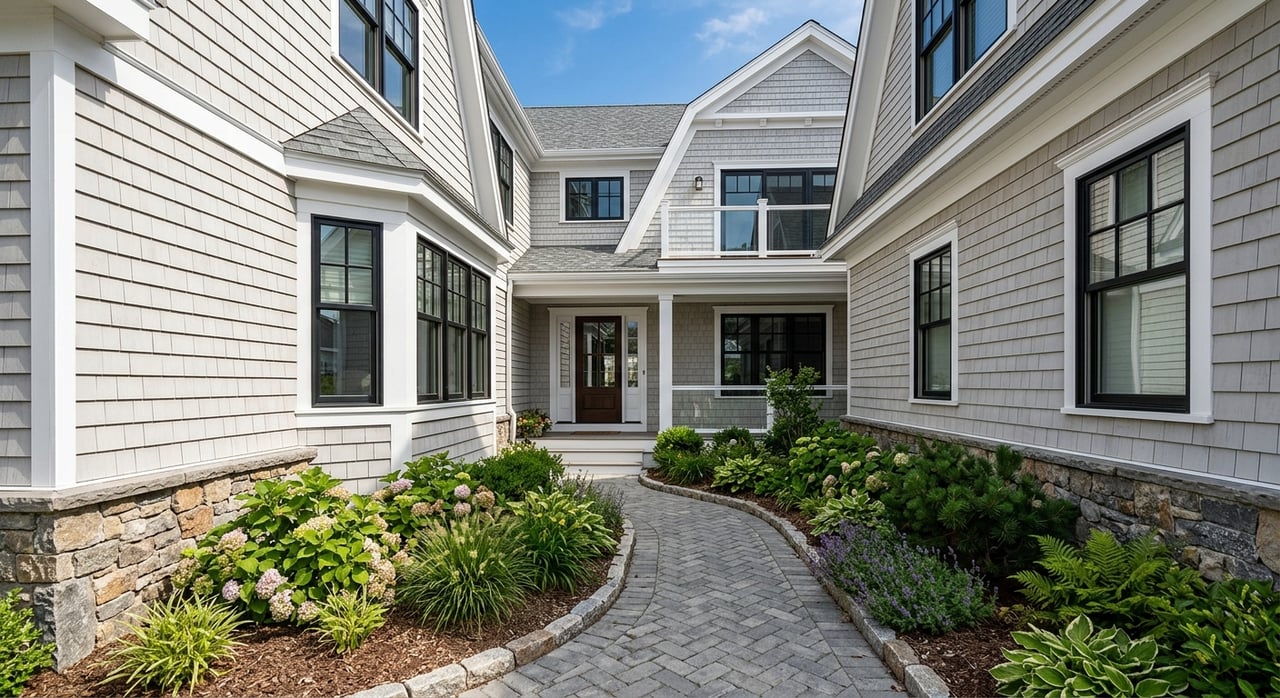
Are you looking for a newer, lower-maintenance home in Linwood without giving up access to the mainland and nearby shore towns? If so, Linwood’s townhome market may be worth a closer look, but it helps to know that this is a small, niche segment shaped by zoning, association rules, and local flood considerations. When you understand how new construction and townhome living work here, you can shop with more confidence and fewer surprises. Let’s dive in.
Why Linwood Stands Out
Linwood is a primarily residential city in Atlantic County, about four square miles in size and roughly nine miles west of Atlantic City. It offers convenient access to the Garden State Parkway and Atlantic City Expressway, which can make day-to-day travel easier whether you work nearby, split time at the shore, or simply want flexibility.
The city also offers a setting that many buyers find appealing for everyday living. Linwood maintains about 36 acres of parks and nearly 33 acres of bicycle paths, which adds to the practical appeal of a lower-maintenance home base. For many buyers, that combination of convenience and recreation is a big part of the draw.
Where Townhomes Fit in Linwood
One of the most important things to know is that townhomes are not spread evenly across Linwood. The city’s zoning code specifically allows townhome and duplex-style residences in certain areas, including the RT multifamily residential zone and the PRD planned residential development zone.
The PRD zone is intended for cohesive design, community character, and higher-density small-lot development. That matters because it suggests most attached-home opportunities are likely to be found in planned pockets rather than throughout the city. In practical terms, your choices may be more limited than in a larger suburban market.
Current listing activity also points to a modest number of available townhome options. That limited supply reinforces that new construction townhomes in Linwood are more of a specialized opportunity than a broad, high-volume market segment.
What New Construction Looks Like
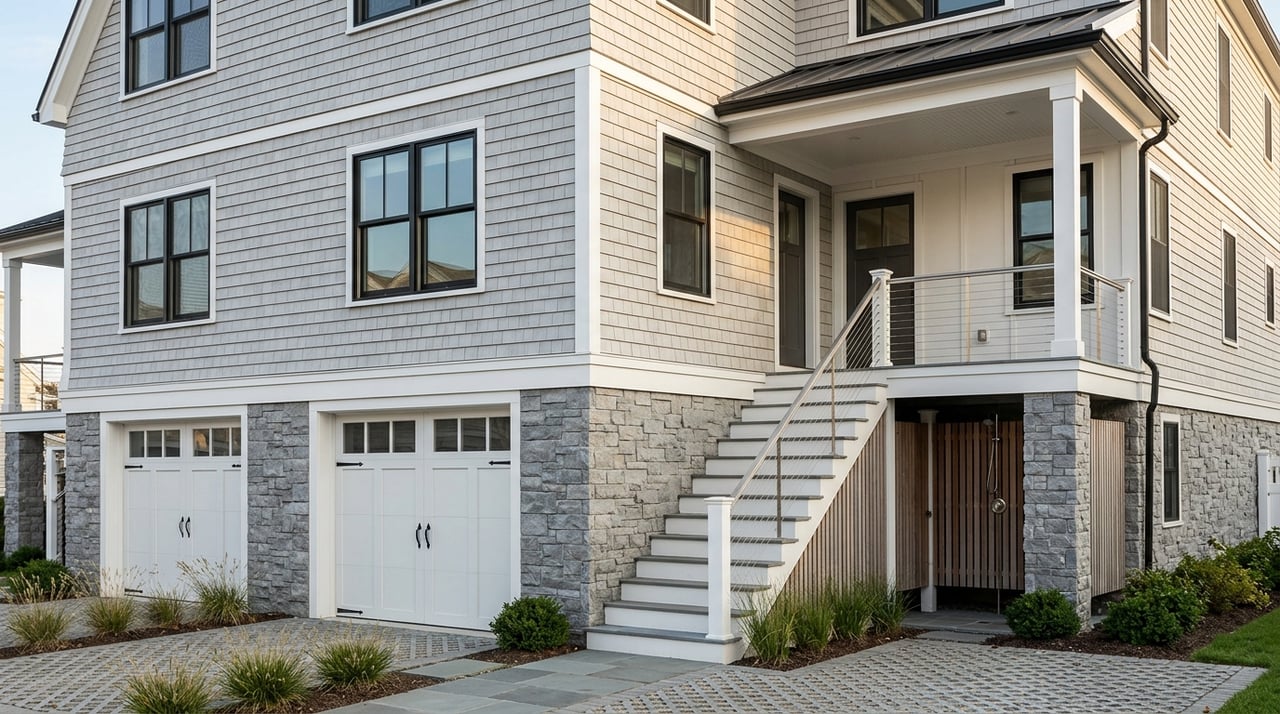
A current example in Linwood is Creek View, described in listing information as a private bayfront community with new townhomes starting around $799,000. One listed home is described as a 2026-built property with 2,764 square feet, 4 bedrooms, and 5 baths.
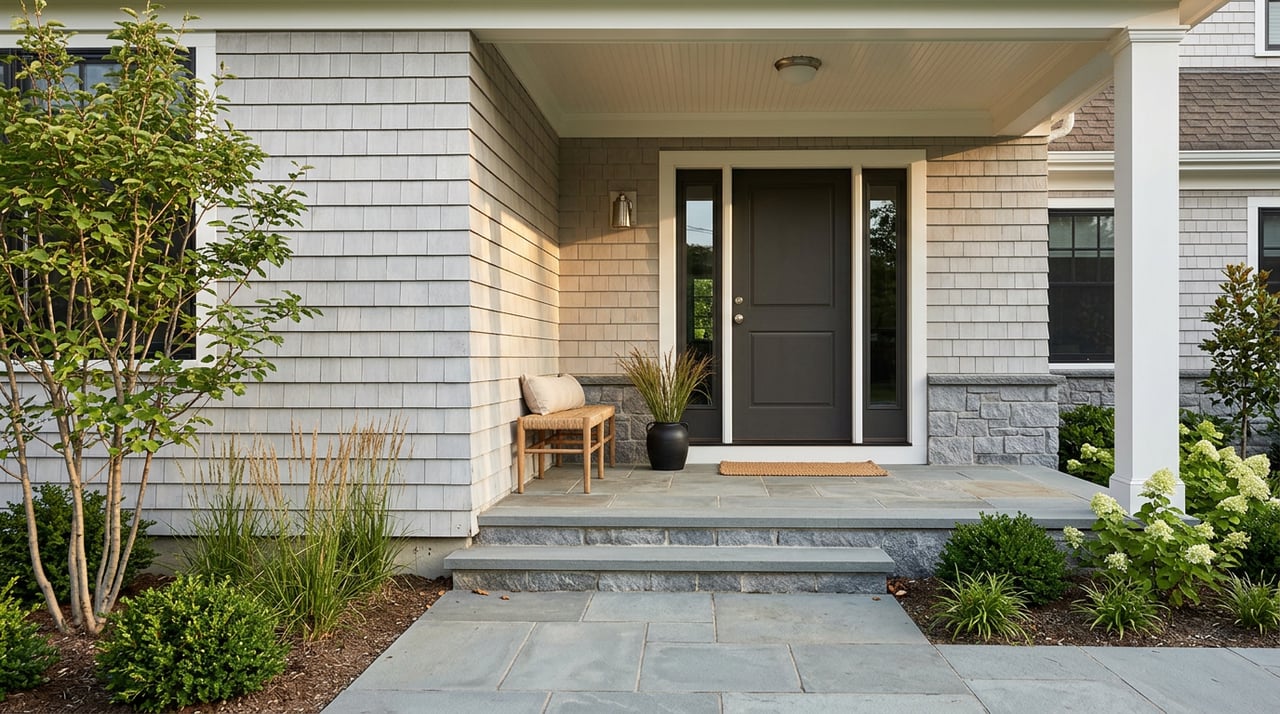
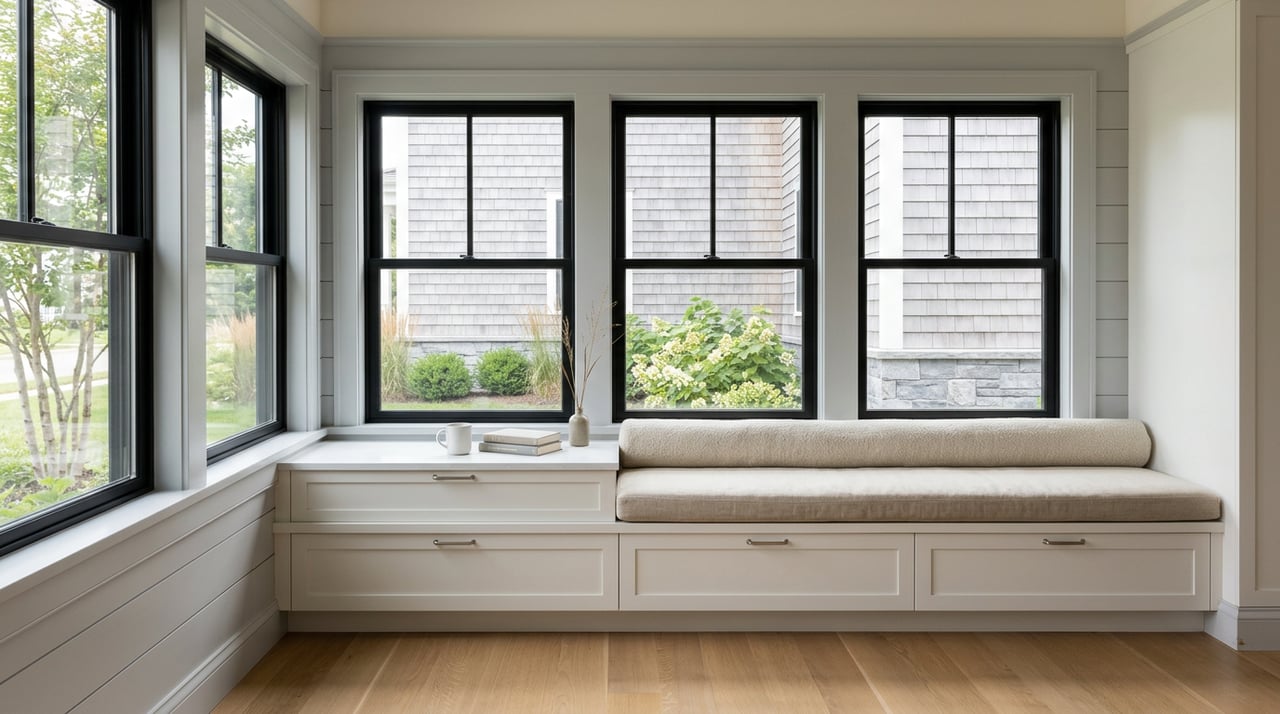
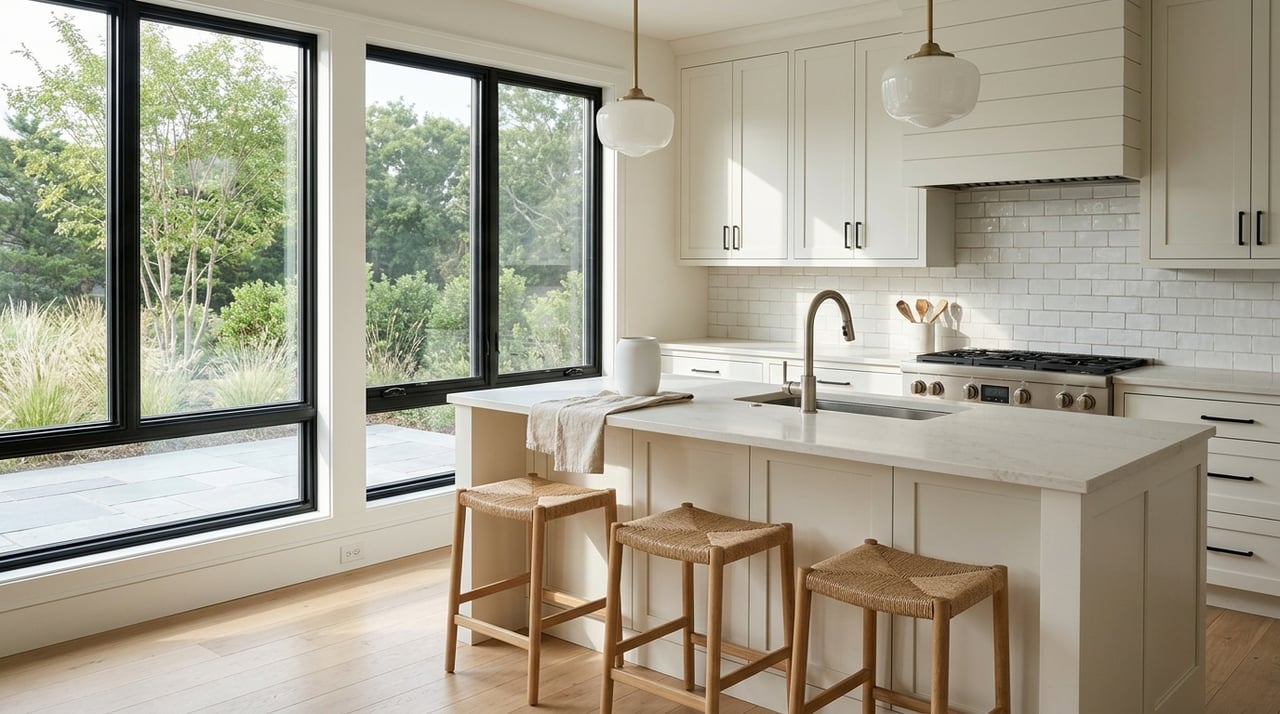
The same community marketing highlights features that many buyers expect in newer construction. These include 3- to 4-bedroom floor plans, 2- to 4-bath layouts, quartz or granite countertops, stainless appliances, recessed lighting, an electric fireplace, CoreTec flooring, and upgraded kitchen cabinetry.
For buyers comparing these homes with older detached properties, the appeal is usually straightforward. You may get newer finishes, a more predictable maintenance profile, and a mainland location that keeps you close to shore destinations without taking on the upkeep that often comes with an older single-family home.
Who These Homes May Suit
In Linwood, new townhomes often make the most sense for buyers who value convenience and simplicity. That may include downsizers, busy professionals, second-home buyers, and some investors who want a more streamlined ownership experience.
These homes may be especially attractive if you want newer construction and a residential setting, but do not need a large lot or extensive exterior maintenance. In a small city like Linwood, that can create a useful middle ground between condo living and traditional detached-home ownership.
Why Association Documents Matter
Most new townhome communities operate as common-interest communities, which means association documents are a major part of the purchase decision. In New Jersey, these communities are governed through the Planned Real Estate Development Full Disclosure Act, and the New Jersey Department of Community Affairs says a developer must register an offering plan before offering units for sale.
Before you buy, it is smart to review the governing documents carefully. At a minimum, you should ask to see:
- The master deed or declaration
- The bylaws
- The rules and regulations
- Recent meeting minutes
- Association financial information
- Reserve information
These documents help you understand how the community operates, what owners are responsible for, and what restrictions or shared obligations come with ownership. They also help you look beyond the purchase price and evaluate the full cost and structure of townhome living.
Reserve Funding Is a Big Deal
One of the most important recent changes for New Jersey planned real estate development associations is the state’s reserve-study requirement. According to the New Jersey Department of Community Affairs 2024 Structural Integrity Law FAQ, every planned real estate development association must undertake and fund a capital reserve study and 30-year funding plan.
That study must be prepared or overseen by a qualified reserve specialist, engineer, or architect, and it must be revisited at least every five years. For you as a buyer, this matters because reserve planning is meant to reduce the risk of unexpected special assessments or borrowing for common-area repairs.
In plain terms, a well-run association should not just focus on today’s expenses. It should also be planning for future repair and replacement costs in a structured way.
Check Approvals and Parking
With new construction, paperwork matters just as much as finishes. Linwood’s code requires site development plan approval before construction permits are issued for new structures, and it also requires certain approvals before certificates of occupancy are issued for a change of use.
For buyers, this means it is worth confirming that the project has the right approvals in place before closing. You should also pay attention to parking. Linwood’s zoning code includes parking requirements for townhomes based on bedroom count and also requires guest parking for attached-unit housing.
That may sound technical, but it affects daily livability. If you expect extra vehicles, frequent guests, or flexible use of the property, parking design can have a real impact on how comfortable the community feels.
Flood Exposure Should Be Part of Your Review
Flood risk is a local issue you should not skip when evaluating any new construction purchase in Linwood. The city participates in the National Flood Insurance Program’s Community Rating System, which can provide flood insurance discounts.
Linwood also notes that substantial improvements in flood areas must be elevated at least one foot above base flood elevation. In addition, the zoning code reduces allowed structure height when a project is in a flood hazard area.
These rules matter because flood-zone conditions can affect construction design, insurance costs, and long-term ownership planning. If a property is in or near a flood-sensitive area, it is worth understanding how the site was approved, how the structure was designed, and how insurance may factor into your monthly carrying cost.
Verify the Builder and Warranty
When you buy new construction in New Jersey, builder due diligence is essential. The state requires new-home builders to be registered with the Department of Community Affairs before permits are issued.
The state also notes that builder registration can be denied, suspended, or revoked for warranty, fraud, or code violations. That makes builder registration status an important checkpoint when you are evaluating any new townhome purchase.
You should also ask for the warranty booklet and claims procedure. New Jersey consumer guidance says nearly every new home includes warranty coverage that generally runs about:
- 1 year for workmanship and materials
- 2 years for mechanical, electrical, and plumbing systems
- 10 years for major structural defects
The same guidance notes that certain items are excluded, such as driveways, walkways, unattached patios, fences, landscaping, and pools. Knowing what is and is not covered can help you set realistic expectations from day one.
Investor Buyers Need Extra Review
If you are considering a Linwood townhome as an investment, intended use deserves careful attention. Linwood has separate municipal chapters related to rental property and short-term rentals, so your plans should be checked against local rules.
You should also compare those municipal requirements with the community’s governing documents. Even if a use is allowed under one framework, it may still be limited by the association’s rules. For investors, that is one of the most important pre-purchase checks.
The Real Tradeoff to Understand
Linwood’s new-construction townhome market offers a specific kind of value. You may get newer design, lower-maintenance living, and a convenient mainland location close to shore destinations, parks, and bike paths.
At the same time, this segment is limited in location, association-based in structure, and often premium in pricing. That means the monthly carrying cost, reserve funding, flood considerations, approvals, and governing documents all deserve as much attention as the home itself.
If you approach the process with clear expectations, Linwood townhome living can be a smart fit for a buyer who wants convenience, newer construction, and a more predictable ownership experience. If you want help evaluating a new-construction opportunity or comparing Linwood options with nearby shore-area alternatives, Christopher Oliva can help you navigate the details with local perspective.
FAQs
What makes Linwood townhomes different from other housing options in Linwood?
- Linwood townhomes are a niche segment that tend to be concentrated in specific planned zones rather than spread throughout the city, so inventory is usually more limited than detached-home options.
What should you review before buying a new townhome in Linwood?
- You should review the master deed or declaration, bylaws, rules and regulations, recent meeting minutes, and the association’s financial and reserve information before closing.
What should buyers know about reserve studies for Linwood townhome communities?
- In New Jersey, planned real estate development associations must complete a capital reserve study and 30-year funding plan, which helps support long-term repair planning and can reduce the risk of surprise assessments.
What local property checks matter for new construction in Linwood?
- Buyers should confirm site approvals, permits, certificates of occupancy, parking arrangements, and any flood-related design or elevation requirements tied to the property.
What should investor buyers verify before purchasing a Linwood townhome?
- Investor buyers should check both Linwood’s rental and short-term-rental rules and the community’s governing documents to confirm whether their intended use is allowed.