If you are shopping for a condo in Ocean City, one of the biggest pricing factors is often just a few streets, or even one side of the island. On a 9-mile island with 11 distinct neighborhoods, location shapes not only what you pay, but also how you use the property, what kind of rental demand you may see, and what carrying costs you should expect. Understanding those micro-markets can help you make a smarter purchase, whether you want a vacation place, an income-producing property, or a long-term coastal investment. Let’s dive in.
Ocean City Is a True Micro-Market
In many shore towns, buyers talk about the market as if it were one simple pool of inventory. Ocean City does not really work that way. According to the Ocean City Board of Realtors neighborhood map, the island is divided into 11 distinct neighborhoods, each with its own setting and value profile.
For condo buyers, that matters because location influences convenience, pricing, rental appeal, and ownership costs. A condo near the Boardwalk offers a very different experience from one in the mid-island Central area or along the bay. Even if two properties have similar square footage, their value can look very different based on where they sit.
Citywide numbers show the broader backdrop. As of March 2026, Realtor.com reports 348 homes for sale in Ocean City, with a median listing price of $1.349M and median days on market of 45. OCBOR’s February 2026 condo and townhouse report shows a median sales price of $989,950, 46 days on market, and 98.8% of list price received, which points to a market where location can quickly separate one condo from another.
Boardwalk Locations Command Convenience Value
For many buyers, the Boardwalk is the first thing they picture when they think about Ocean City. The city says the Ocean City Boardwalk stretches 2.45 miles and concentrates activities, restaurants, amusements, and beach access in one recognizable corridor. That convenience helps explain why nearby condos often carry a premium.
If you want to step outside and be close to the beach, Boardwalk attractions, and high foot traffic, you are usually paying for more than the unit itself. You are also paying for walkability and for a location that many seasonal visitors already understand and seek out. That combination can support both resale demand and rental interest.
North End Pricing Trends
The North End is where the Boardwalk begins, and recent market data suggests that buyers place a premium on that location. Redfin’s March 2026 neighborhood data shows a median sale price of $1,219,950 in the North End, compared with $1,012,450 in Central Ocean City.
Rental expectations also appear stronger in the North End. The same market snapshot referenced in the research shows Realtor.com rental data at about $4.1K per month in the North End versus $2.1K per month in Central. That does not mean every North End condo will outperform every Central condo, but it does show how proximity to the Boardwalk and beach can translate into stronger value expectations.
Gold Coast as Premium Ocean-Side Inventory
The Gold Coast, defined by OCBOR as 18th to 29th Streets and Wesley Avenue to the beach, is often treated as one of Ocean City’s premium ocean-side stretches. For buyers, it helps to think of this area as part of the upper end of the boardwalk-adjacent market rather than as a completely separate value model.
In practical terms, that means you may see strong pricing tied to coastal setting, beach access, and a well-known location identity. When comparing condos here, details like views, building condition, parking, and outdoor space can make a large difference in final value.
Parking Can Shift Perceived Value
Parking is easy to overlook when you first tour a condo, but in Boardwalk-oriented locations it can affect both convenience and marketability. Ocean City’s parking system includes more than 2,800 spaces in Boardwalk and Downtown lots, plus 1,142 metered street spaces, with beach and Boardwalk meter rates reaching up to $2 per hour in season.
If your condo has deeded parking, covered parking, or a setup that reduces seasonal parking stress, that can add real day-to-day value. In tighter locations near the Boardwalk, parking is not just a convenience feature. It can be part of what helps a property stand out.
Central Ocean City Offers Balance
If the North End often reflects convenience and stronger rental expectations, Central Ocean City tends to appeal to buyers looking for a more balanced value proposition. OCBOR describes Central Ocean City as spanning the width of the island from 6th Street to 18th Street, with residences, boutique shops, restaurants, cafes, and the heart of the Boardwalk on the east side.
That gives you an important middle ground. You can still be close to the beach and many everyday Ocean City destinations without paying the same premium attached to the most Boardwalk-driven blocks. For many second-home buyers, that balance is exactly the point.
Central Can Create More Entry Points
According to Redfin’s Central Ocean City market data, the median sale price in March 2026 was $1,012,450, with homes selling at 96.9% of list price. Realtor.com’s February 2026 data in the research places the median listing price at $949,450, with 131 homes for sale and a 96% sale-to-list ratio.
Compared with the higher North End figures, Central looks like a more accessible option for buyers who still want walkability and beach access. That can make it appealing if you are trying to stay within budget while still buying into a strong Ocean City location.
A Different Rental and Lifestyle Profile
Central Ocean City may also attract a somewhat different kind of buyer. Instead of paying top dollar for the closest Boardwalk blocks, some buyers prefer a location that still feels connected to the beach and shopping areas while offering a little more breathing room.
For seasonal-rental planning, that can matter. A condo that is walkable to the beach and local businesses, but not in the highest-intensity section of town, may appeal to renters who want convenience with a slightly calmer setting.
Bayfront Condos Follow a Different Value Formula
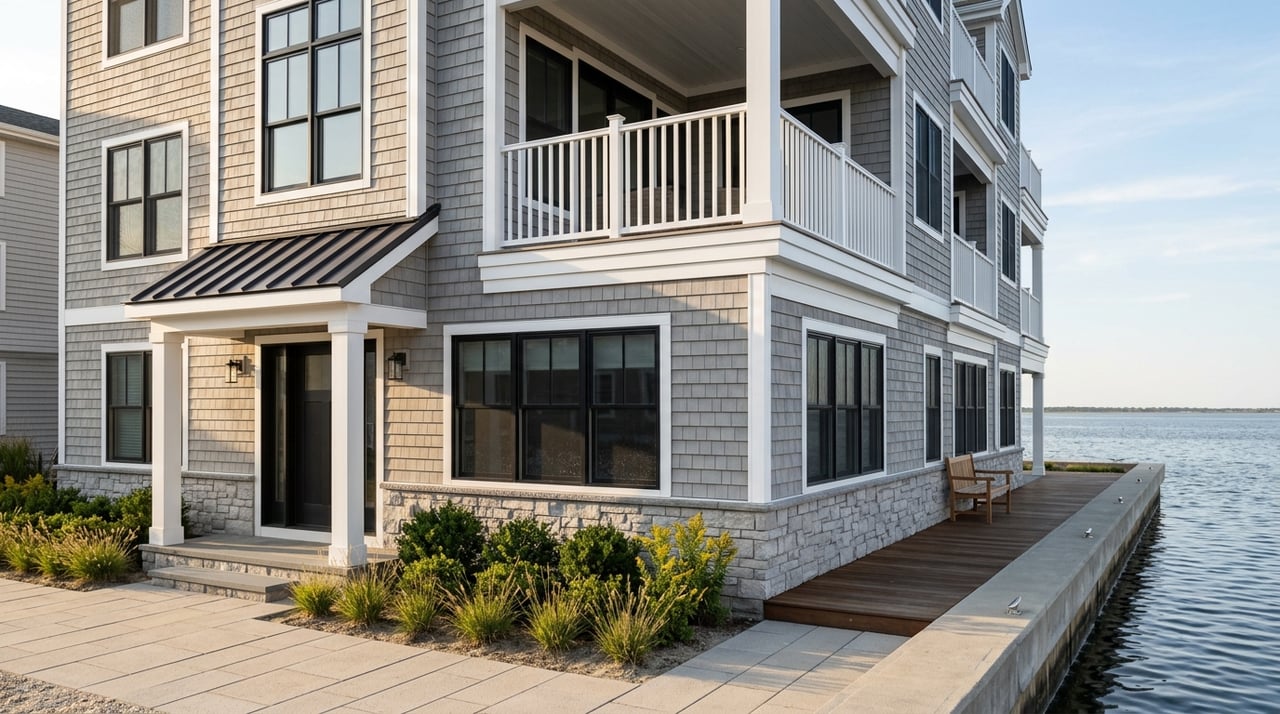
Not every Ocean City condo is competing on Boardwalk access. In the Bay Area, value is often tied more closely to water access, views, and boating-oriented lifestyle benefits. OCBOR defines the Bay Area as the west side of Bay Avenue from North Street to 16th Street and notes its appeal for water-sport users because of boat slips, jet skis, sailing, and nearby water-based recreation.
That creates a different kind of demand. If you are buying for sunset views, dock access, or a bayfront setting, your priorities may have less to do with the Boardwalk and more to do with the water itself. In those cases, value becomes more lifestyle-driven.
Views and Access Support Demand
Bayfront condos can be compelling because the setting is hard to duplicate. Direct bay access, open water views, and boating convenience can all support value, especially for buyers who specifically want that type of shore property.
Still, the highest value is not always about headline location alone. Building condition, elevation, maintenance needs, and insurance costs can all influence what a bayfront condo is truly worth over time.
Flood Costs Matter More on the Bay
Ocean City’s Flood Smart page makes an important point for every condo buyer: all of Ocean City is in a flood plain. The city states that flooding can come from both the ocean and the bay during hurricanes and high tides, that standard homeowners insurance does not cover flood damage, and that mortgaged properties must carry flood insurance.
The city also notes that Ocean City is a Community Rating System Class 4 community, which gives most policyholders a 30% flood-insurance discount. That is helpful, but it does not remove the need to carefully review flood exposure, insurance requirements, and building-specific risk when comparing bayfront options.
What Buyers Should Compare Condo by Condo
Once you narrow your target area, the next step is to compare individual properties in a way that reflects Ocean City’s local realities. The right condo for you depends on how you plan to use it, what tradeoffs matter most, and what costs come with that location.
A practical comparison should include:
- Walk time to the beach and Boardwalk
- Whether parking is deeded, assigned, or seasonal
- Whether the building sits on the ocean side or bay side
- Flood exposure and likely insurance requirements
- HOA rules and restrictions
- The likely renter pool if you plan to rent seasonally
If seasonal income is part of your strategy, make sure you also review local rental requirements. Ocean City requires a mercantile license, also called rental registration, for all residential and commercial rental properties.
A Simple Way to Think About Ocean City Condo Value
If you want a quick framework, think of Ocean City condo values in three broad groups. Boardwalk-adjacent condos usually trade on convenience, walkability, and stronger rental demand. Central or mid-island condos often trade on balance, offering beach access with broader entry points on price. Bay Area condos usually trade on water access and views, with a more important flood-cost calculation.
That does not replace property-level analysis, but it gives you a strong starting point. In a market as location-sensitive as Ocean City, understanding the neighborhood first can save you time, sharpen your budget, and help you focus on condos that really fit your goals.
If you want help comparing Ocean City condo locations, pricing tradeoffs, and the details that affect long-term value, connect with Christopher Oliva. With deep local roots and decades of coastal market experience, Christopher can help you evaluate Ocean City through a practical, neighborhood-by-neighborhood lens.
FAQs
How does Boardwalk proximity affect Ocean City condo value?
- Condos closer to the Boardwalk often command higher values because buyers are paying for convenience, walkability, and stronger seasonal rental appeal.
Is Central Ocean City a good value for condo buyers?
- Central Ocean City can offer a balanced option for buyers who want beach access and walkability without paying as much as some Boardwalk-oriented locations.
Do bayfront condos in Ocean City have different ownership costs?
- Yes. Bayfront condos may offer views and water access, but buyers should also weigh flood insurance, elevation, and maintenance as part of the total cost.
What should buyers compare when choosing an Ocean City condo location?
- Focus on beach and Boardwalk access, parking, water orientation, flood exposure, HOA rules, and whether the condo fits your personal or rental goals.
Do Ocean City condo owners need anything special to rent seasonally?
- Yes. Ocean City requires a mercantile license, also known as rental registration, for residential rental properties.